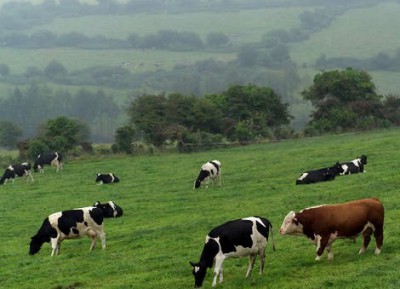
Cattle bleeding during the Great Famine was not uncommon. Under cover of darkness, the hungry would make their way to the field of a landlord or well-off farmer and locate a likely cow. A vein would be opened in the animal’s neck and a pint or so of blood drained out into a jar or pail. The wound would then be sealed with a pin, the hope being that one could return and bleed the animal again. Cows’ blood was mixed with wild mushrooms, milk, herbs, meal or anything else on hand to make ‘relish cakes’.
The starving also ate chickweed, seaweed, nettles, grass, worms or rats. Turnips, although traditionally not a human food source as they have limited nutritional value (turnips were stockfeed only), could be made into turnip boxty (cakes) or mashed into ‘champ’.
Although Ireland abounds in rivers, most were privately owned and fishing (poaching) in them illegal.
 Ariella Abruzzi Novelist